
How Skips Are Collected and Processed for Responsible Disposal
When waste is removed from a property or worksite, many people are unsure what happens next. Understanding the journey from collection to final processing helps build confidence in responsible disposal and highlights how recycling plays a key role in modern waste management. Skips provide a structured way to contain waste safely before it is transported for sorting and treatment.
Collection and Transport to Licensed Facilities
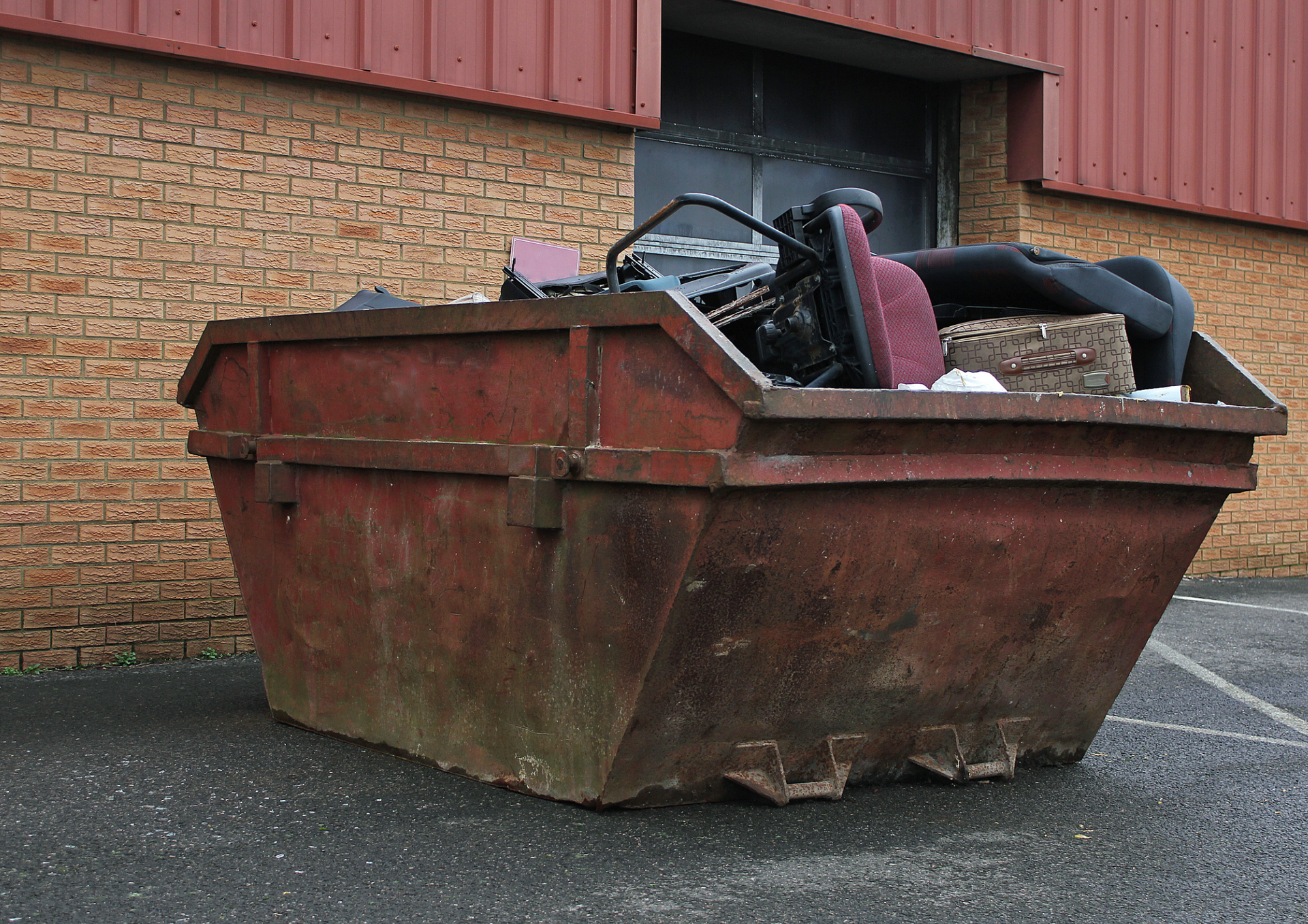
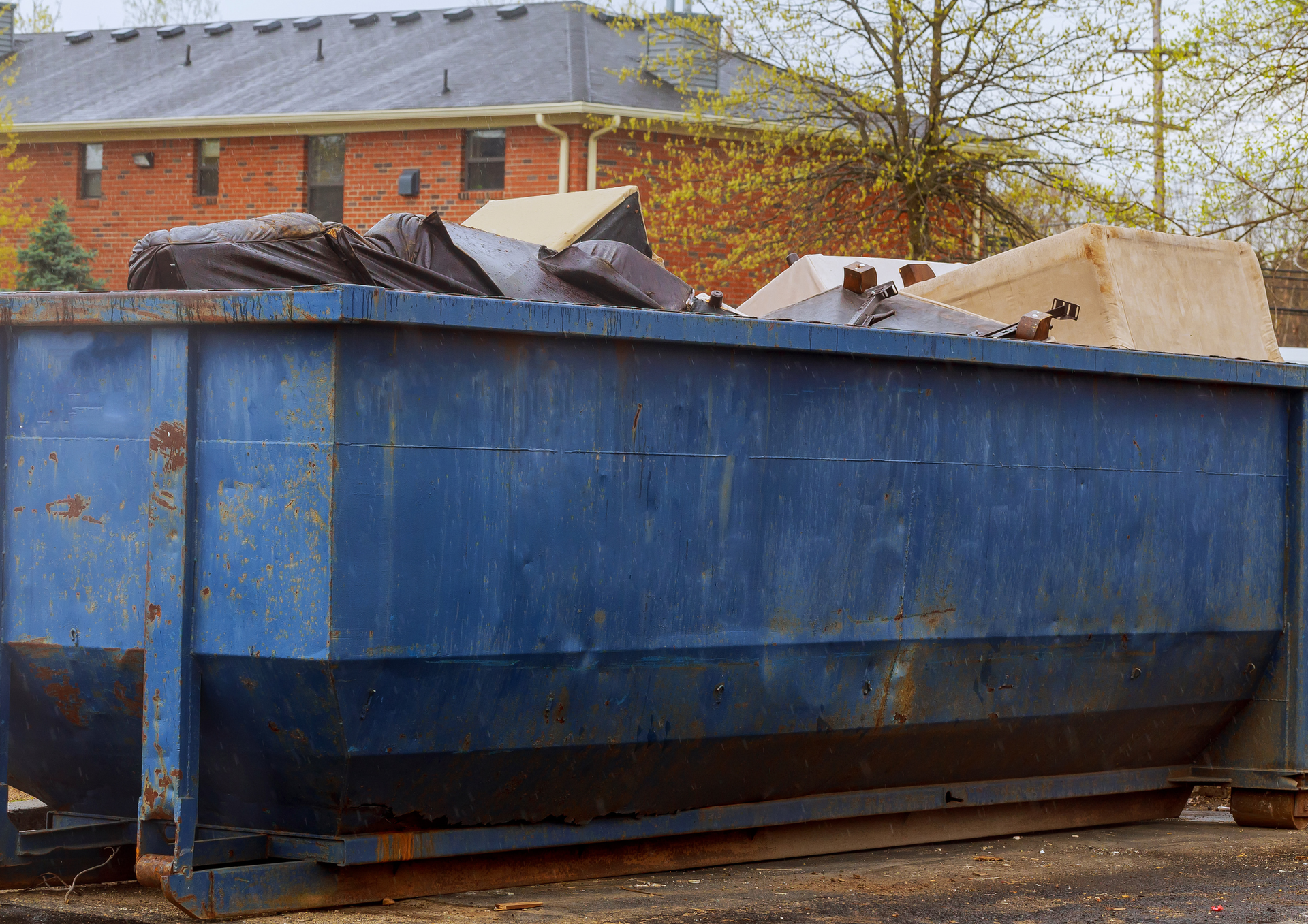
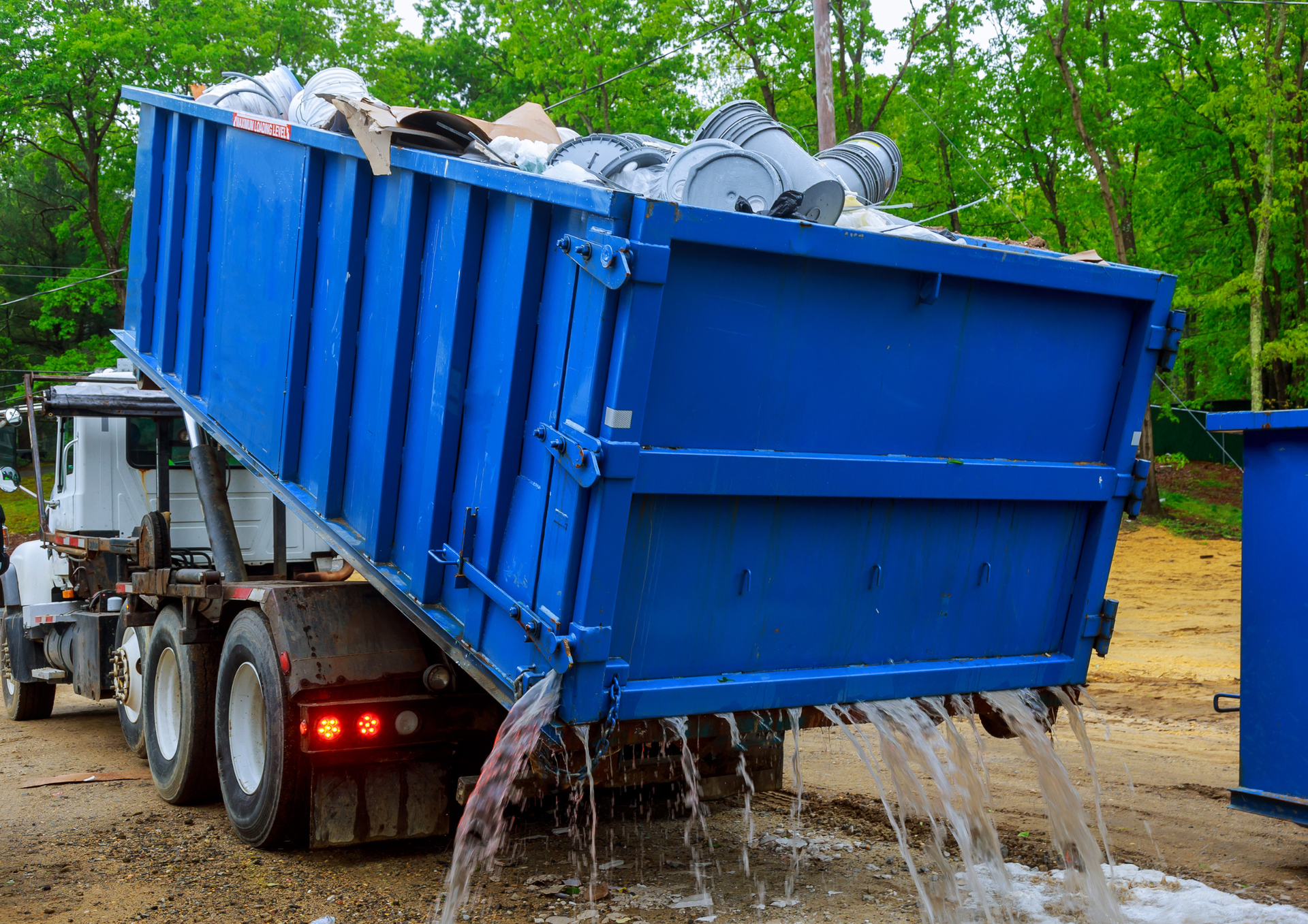
Once a container is filled and ready for removal, collection is scheduled using specialist vehicles designed to lift and transport heavy loads safely. Care is taken to minimise disruption, protect surrounding surfaces, and ensure collections are carried out efficiently.
At this stage, skips are transported to licensed waste facilities rather than disposed of directly. These facilities are equipped to manage different waste streams responsibly, ensuring materials are handled in line with environmental regulations and safety standards.
Sorting and Recycling Processes
After arrival at the processing site, waste is unloaded and sorted. Materials such as metals, wood, aggregates, cardboard, and certain plastics are separated for recycling or reuse, while non-recyclable waste is prepared for appropriate disposal.
This sorting stage is central to reducing landfill use. By separating recoverable materials, processing facilities help return resources back into supply chains, supporting sustainability goals and reducing the demand for new raw materials.
Booking and Managing Collections
For many customers, convenience starts with how waste services are arranged. When it is time to order a skip, clear communication about access, waste type, and timing helps ensure smooth collection and processing once the container is full.
Some customers prefer the flexibility to arrange services digitally, choosing to skip online as part of their project planning. This approach allows bookings and collections to be coordinated efficiently, helping waste removal fit neatly into project timelines.
Compliance, Tracking, and Responsible Disposal
Throughout the process, waste handling is tracked to ensure compliance with regulations. Licensed operators are responsible for documenting where waste is taken and how it is treated, providing reassurance that disposal meets legal and environmental requirements.
This end-to-end system ensures skips and their contents are managed responsibly. Even items that cannot be recycled are disposed of correctly, reducing environmental impact and supporting safer waste practices.
Skip Hire Abingdon is designed to make waste management clear, reliable, and straightforward. Our platform connects customers with trusted providers who prioritise compliance, recycling, and clear communication. Whether you are arranging a domestic clear-out or managing commercial waste, we help ensure every stage of the process is handled responsibly without unnecessary complexity.
Latest post on X: From collection to recycling – how
skips are processed responsibly!
You might also like